A look into how colour and texture in film can fuel emotion.
Nostalgia in cinema isn’t just about the stories we’re told — it’s about the textures, the tones, and the way light itself is captured. When we think of films from the 80s and 90s, what often comes rushing back isn’t just the dialogue or the soundtrack, but the way they looked: the grain of 35mm, the soft glow of warm tones, the subtle imperfections that made every frame feel alive.
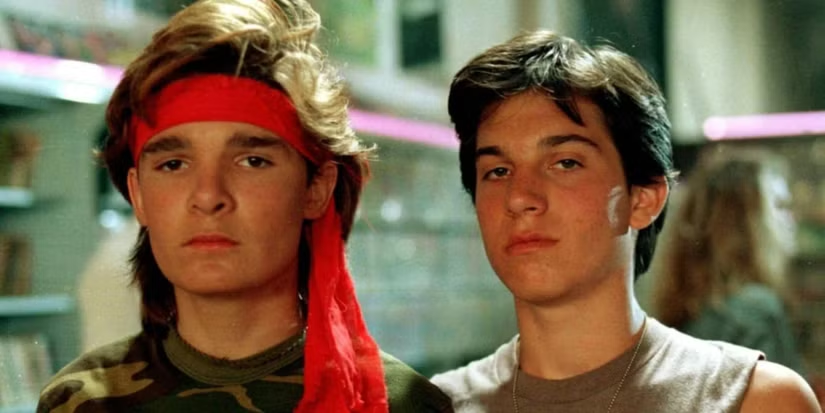
Cinematographers and colorists know this well. The amber flares of sodium-vapor streetlights in E.T. or the dusky, washed-out blues of early 90s indie films aren’t accidental. They were shaped by the film stocks available at the time — Kodak Vision, Fuji Reala, Agfa — each with their own quirks and personalities. Grain wasn’t noise; it was texture. Colors didn’t scream in HDR perfection; they hummed, softened, and sometimes bled at the edges. Watching them today, our brains translate those imperfections into memory, a longing for something just out of reach.

That’s why modern films chasing 80s and 90s nostalgia — from Stranger Things to Mid90s — lean heavily on these aesthetics. Digital cameras might capture crystal-clear images, but the look doesn’t resonate the same way. To bridge the gap, filmmakers add layers of simulated grain, push color grading toward warmer highlights or cyan shadows, and even mimic the chemical inconsistencies of old prints. The result isn’t just a “retro” look — it’s a carefully constructed portal into an emotional space where memory and myth blur.

But just as the 80s and 90s are mined for their glow, a new cycle of nostalgia is already forming. The 2000s — once dismissed as too recent to be mythologized — are slowly becoming cinematic memory. Early digital cameras, with their cooler palettes, flatter images, and slightly plastic feel, are starting to look as distinct and evocative as celluloid once did. What was once seen as a limitation is now becoming an aesthetic, and in a decade or two, the “digital look” of the 2000s may stir the same longing that film grain does today.
Cinema has always been a time machine. Sometimes it moves us forward, sometimes backward — but most often, it lingers in the glow of the past, reminding us that longing itself is part of the story.