How can marketing of a product be effective if it takes away from the core principles of the idea behind said product?
Techwear, actileisure, dry-fit—all commonplace terms in the world of sportswear. To me, they give off a corporate, technological, almost Silicon Valley vibe for what is essentially meant to be clothing that helps you excel in one of the most primal aspects of human life: movement.
Why is this the case?
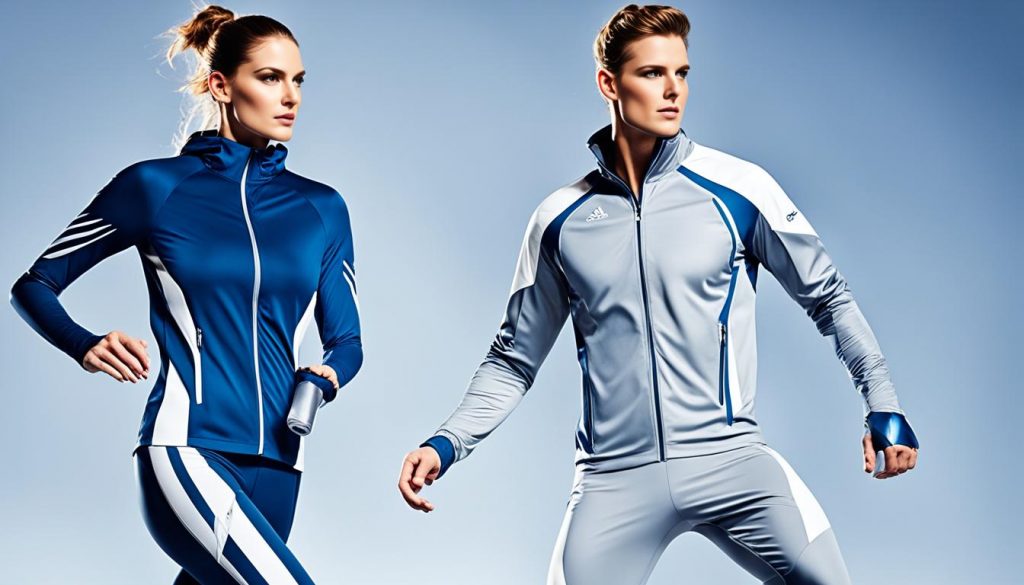
When I think about exercise or sport, I think about competition, tradition, gritty hard work, and pushing through psychological barriers. So why are sports brands now opting to reframe something so natural into something so clinical and futuristic?
To me, it doesn’t sit well. It feels like a branding mismatch. Although I’m not a professional marketer and have no access to the statistics behind these decisions, it’s always been a trend that has irked me.
Coming from a fashion-forward background—my interests lie in high fashion and fashion photography—I generally keep up with trends, and most of them stem from a place of common sense (at least to some extent). I also come from a sporting background, having competed internationally in ice hockey and played for my local professional football team in my youth. To me, this dystopian, clean-cut, almost Apple-like approach to fitness takes away from the core principles of sport, exercise, and, in a way, the human urge to better ourselves.

Exercise is often seen now as a way to disconnect—from our phones, our computers, and our constant stream of digital input. Yet, it’s increasingly being marketed as something tech-assisted, paired with the latest in smartwatch technology and performance-tracking gear.
I think the way forward—in order to stand out in an oversaturated market—is to take it back to its roots. Show the mud. Show the pain. Show the scuffed shoes. Show the struggle and the toughness of the product. Show what it looks like after a 10-mile run through the woods. Show the tradition. Show the timeless black football boots.
I believe this kind of messaging connects more deeply with people today. We are constantly being offered the “easy way out” and sold the newest, most polished solution. But no product will play 90 minutes for you. The real question is: will it help you perform at your best for those 90 minutes? That’s the question sports brands should be answering.

Everything has changed. I remember wearing what was essentially a cotton sweatsuit—pyjamas, really—under my ice hockey gear. Around that time, Under Armour was just emerging, and I understood the appeal: lightweight materials that wick sweat away instead of absorbing it and making you heavier. But it’s the way these products are presented now that feels off. Why would I want something so sleek and sterile in a sport that’s so gritty and raw? Why would I want a computer to guide me through something that’s supposed to feel human?
Even for the casual gym-goer, it still comes back to the same point: people are going out of their way to disconnect from their devices, their screens, their hectic lives—to do something deeply human. So again, why would we market sportswear in the same sterile, tech-heavy way as the very things people are trying to escape?